
Electric cremators would cost millions and shut Worthing Crematorium for a long spell, so the 2030 carbon goal will be missed. Council emissions are down 54%.
Worthing Crematorium cannot be taken off gas by 2030, Adur & Worthing Councils have conceded. That means the councils will miss the carbon neutral target they set when they declared a climate emergency in 2019.
The admission is in a progress report to the councils’ Joint Strategic Committee on Tuesday 6 October. It is the first update on the target since November 2023, and it covers three years of figures at once.
The report says switching the crematorium to electric cremators “would be a multi-million pound investment that would involve closing the crematorium for a prolonged period of time”. The council “currently does not have the capital funds, resources or scope to undertake” it. Its conclusion is blunt: “Achieving decarbonisation of the crematorium by 2030 is not practicably or financially feasible.”
Why the crematorium is the sticking point
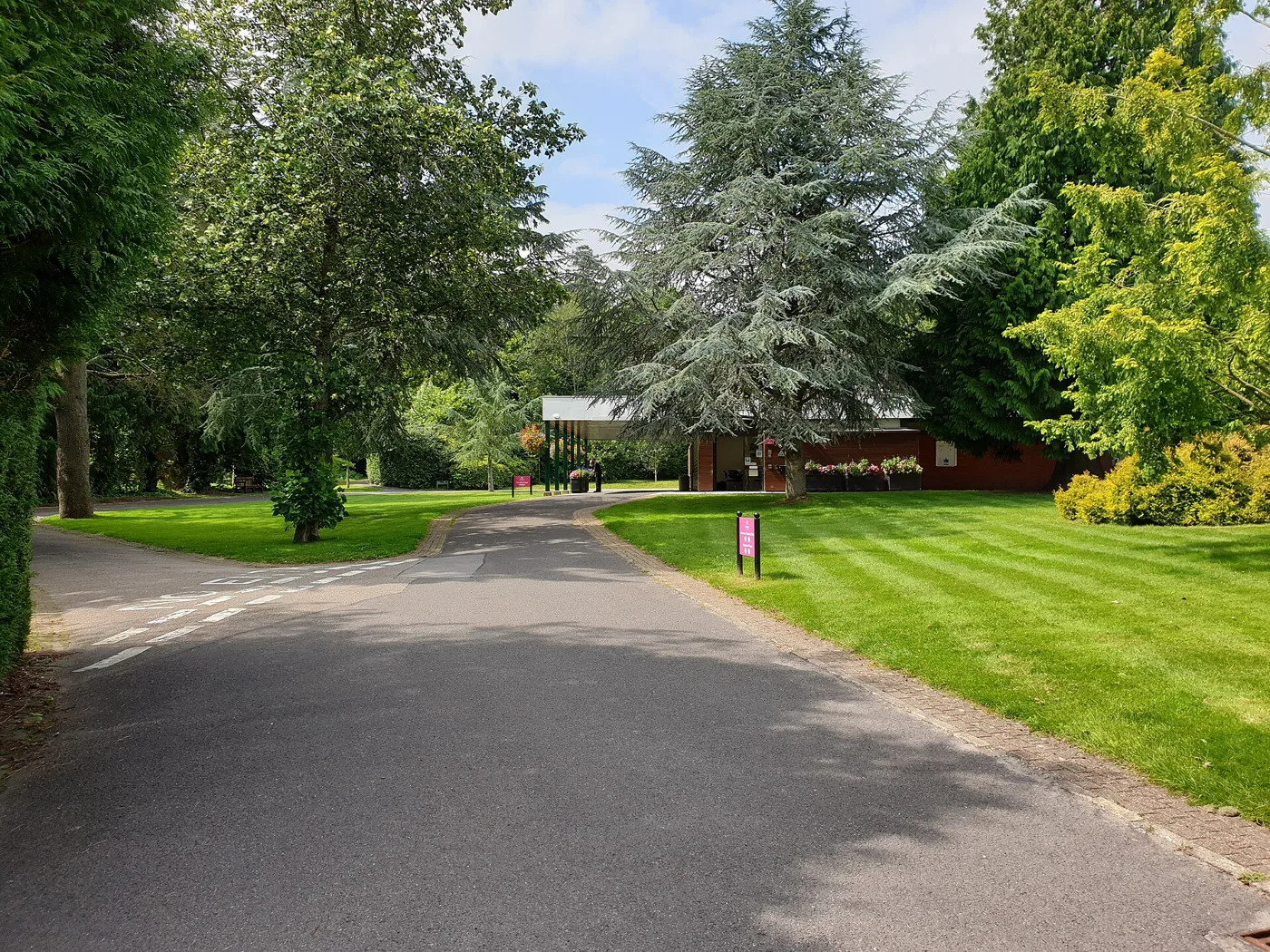
The crematorium sits on the A24 just north of Findon village, about five miles north of Worthing town centre. It is operated by Worthing Borough Council, and its cremators burn gas.
The councils’ 2030 target covers only the emissions they control directly: gas and electricity in their own buildings, and fuel in their vehicles. In 2025/26 gas was the largest source, at 733 tonnes of CO2 equivalent, and the report names the crematorium as “the main contributor”.
The councils took part in HyCrem, a government-funded trial in which one cremator ran on hydrogen instead of methane for a month. According to the report, the trial showed hydrogen “is not yet logistically or financially viable”. It recommended replacing the gas cremators with electric ones “once the current equipment is no longer economically viable to maintain and repair”.
Crematorium gas use did fall by 5%. The report puts that down mainly to fewer cremations, citing “a decline in the death rate, and changes in the industry”, rather than to any change in the equipment.
Emissions are down by more than half
Leaving the crematorium aside, the figures show real progress. The councils’ combined emissions fell from 3,032 tonnes in 2019/20 to 1,387 tonnes in 2025/26, a drop of 54.25%.
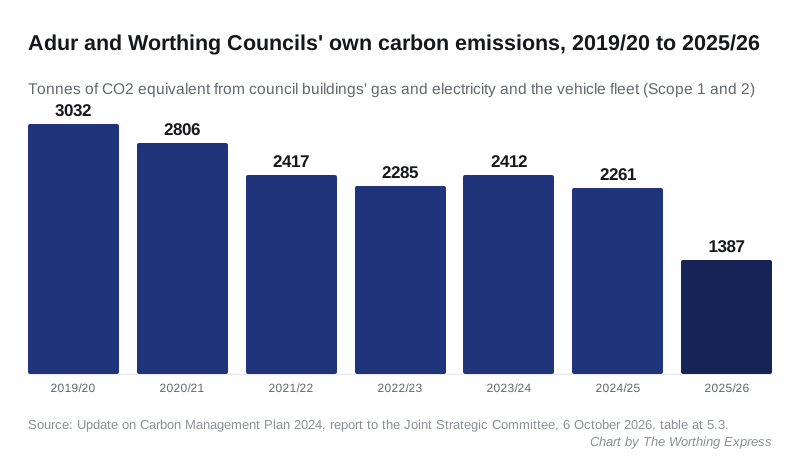
Almost all of the last year’s fall came from the bin lorries and vans:
| Year | Electricity | Gas | Fleet | Total |
|---|---|---|---|---|
| 2019/20 | 856 | 979 | 1,197 | 3,032 |
| 2023/24 | 489 | 787 | 1,136 | 2,412 |
| 2024/25 | 484 | 774 | 1,003 | 2,261 |
| 2025/26 | 452 | 733 | 202 | 1,387 |
Tonnes of CO2 equivalent. Source: the 6 October report, table 5.3.
Fleet emissions fell from 1,003 tonnes to 202 in a single year. The councils switched every diesel and petrol vehicle to hydrotreated vegetable oil, a fuel made from waste cooking oils and fats. The report credits that with cutting fleet carbon by around 90%.
The councils now run 10 small electric vans, up from six in 2024. An electric bin lorry went into the commercial waste service this summer, and a 10-year-old diesel lorry is being converted to electric drive, due back in early 2027.
The report flags a risk here too. The vegetable oil is “an interim measure”, because certified sustainable supplies are limited worldwide. It expects availability to fall and costs to rise.
The heat network: hospital connected, £8m confirmed
The report also gives the clearest public account yet of the Worthing Heat Network. Worthing Town Hall connected in October 2025. The Assembly Hall, Portland House, the Connaught Theatre and the Museum and Art Gallery are also connected.
The report says Worthing Hospital, the network’s biggest customer, connected in September. Splashpoint Leisure Centre and the Pavilion Theatre are due to follow by early 2027.
It also confirms that Hemiko, which builds and runs the network, has secured £8 million of government Heat Network Investment Project funding. The council is passing that grant on to Hemiko. The money pays for less disruptive building methods, cheaper connections for new customers, and a second bank of air source heat pumps at the energy centre.
The government grant scheme that paid for most of the councils’ building upgrades, the Public Sector Decarbonisation Scheme, “no longer exists”. Five council buildings in Worthing and seven in Adur still run on gas boilers. Each will be looked at case by case when its boiler is due for replacement.
We have covered the heat network’s roadworks on our Worthing roadworks and travel page.
What else is in the report
- A bid is being prepared to GB Energy for funding to study a 3MW solar farm on council land somewhere in Adur or Worthing.
- No work has been done on the wider “Scope 3” emissions, such as those from leisure centres run by South Downs Leisure, “due to resource constraints”.
- The councils’ separate goal of net zero across the whole area by 2045 will need “significant input and policy support from the central government”, the report says.
The committee was asked only to note the report. It changes no budget and makes no new decision.
What it means for you
- Funerals at Worthing Crematorium are unaffected. The report proposes no closure and no change to services. Electric cremators would only come when the current equipment is worn out, and no date or budget has been set.
- If a conversion does happen, expect a long closure. The report says it would mean shutting the crematorium “for a prolonged period of time”. Families would have to use crematoria further away while the work was done.
- The 2030 promise was about the councils’ own operations, not your home. Nothing in the report changes what residents are asked to do. The council’s budget pressures, which the report cites as a reason, are set out in our report on the £5.1m in government support Worthing expects to need.
Have your say